
Dog Dental Care at The Hometown Veterinarian: Questions and Answers About Dental Procedures for Your Dog
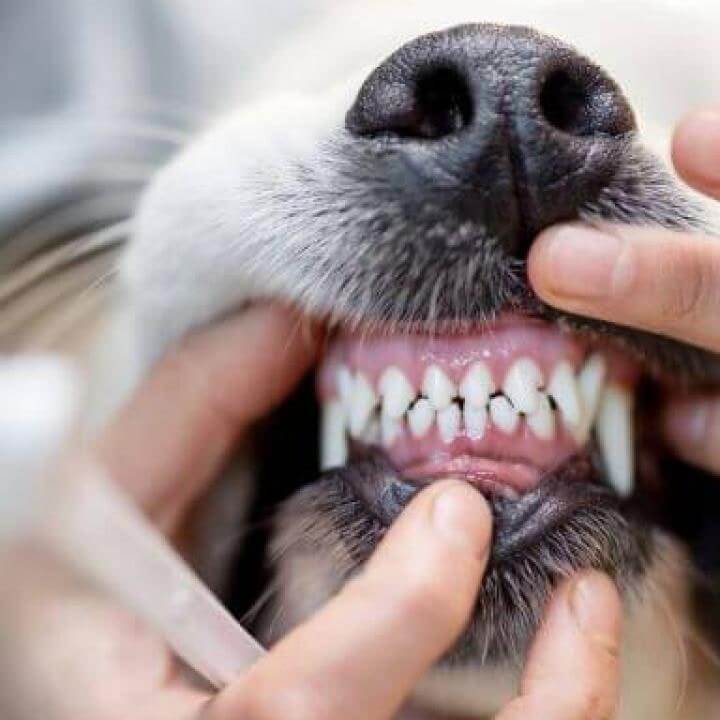
Proper dental care is essential for your dog’s overall health and well-being. At The Hometown Veterinarian, we offer Comprehensive Oral Health Assessment and Treatment (COHAT) to ensure your dog receives the best possible care. Below, we’ve answered some of the most frequently asked questions about dog dental care.
Why Choose The Hometown Veterinarian for Dog Dental Care?
At The Hometown Veterinarian, we’re committed to delivering the highest standard of dental care with a personal touch.
What Sets Us Apart?
Comprehensive Expertise
Our team follows a thorough approach, addressing every aspect of your dog’s dental health from preventive care to advanced treatment.
Advanced Technology
Using state-of-the-art digital radiographs, we accurately diagnose and treat hidden dental issues.
Personalized Care
Every dog is unique, and we tailor our treatments to meet your pet’s specific needs.
Emphasis on Safety and Comfort
We use safe anesthesia practices, continuous monitoring, and proactive pain management to ensure a stress-free experience.
Commitment to Ongoing Health
We provide guidance on at-home care and recommend the best products to keep your dog’s teeth healthy between professional visits.
For more information about pet dentistry at The Hometown Veterinarian, explore our Dental Care for Pets or to set up an evaluation, give our office located in Marshalltown, Iowa a call or click below.
FAQs
Dental disease in dogs primarily refers to periodontal disease, which affects the teeth, gums, and underlying bone. It begins with tartar buildup below the gumline, leading to inflammation, infection, and tooth loss if untreated. Regular dental care can help prevent these issues.
We recommend that dogs have their teeth checked at least twice a year. While awake exams are useful, an annual anesthetic COHAT procedure is crucial for a thorough assessment and treatment, keeping your dog’s mouth healthy and pain-free.
Look for symptoms such as:
- Bad breath
- Loose teeth
- Tartar buildup
- Bleeding gums
- Discomfort when touched around the mouth
Subtle changes, like reduced appetite or increased drooling, may also indicate dental disease. Early detection through regular exams and COHAT treatments is key.
Signs of oral pain include swelling, bleeding, reduced appetite, drooling, or food dropping. Dogs are experts at hiding pain, so routine exams and COHAT procedures are the best way to ensure their mouth is healthy.
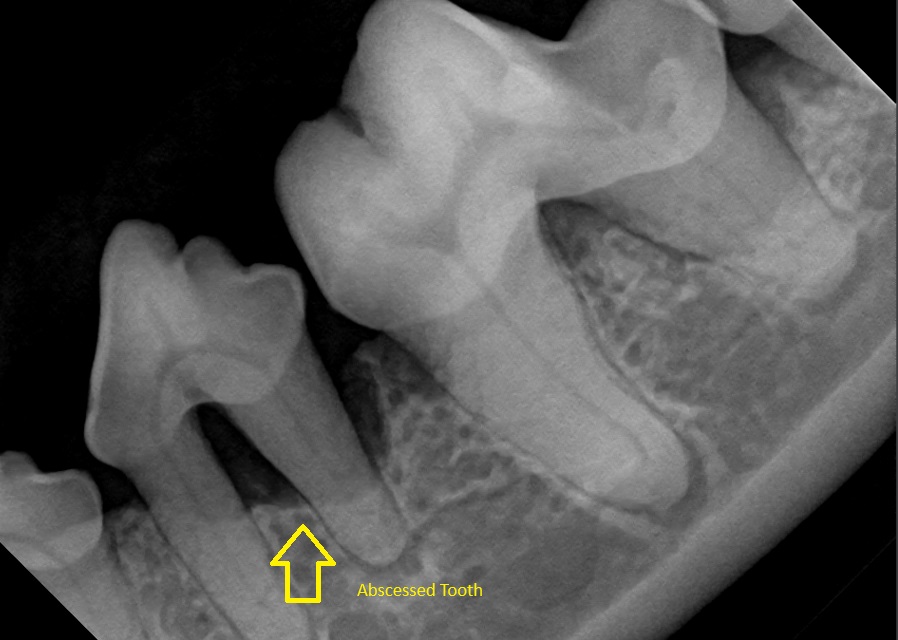 Yes, dental X-rays are essential for thorough dental care. Whole-mouth radiographs, performed under anesthesia, allow us to detect hidden issues like tooth root infections, bone loss, and impacted teeth.
Failing to take dental X-rays during procedures risks missing critical problems, which is widely regarded by modern veterinary professionals as malpractice. Without X-rays, your dog may leave with undiagnosed pain or untreated conditions.
A dental cleaning is typically a day-long visit:
- Morning: Admission, blood work, and anesthesia preparation.
- Procedure: X-rays, a full oral exam, cleaning, and any necessary extractions.
- Recovery: Close monitoring with warm blankets and laser therapy for comfort.
Your dog is carefully observed until fully awake and ready to go home.
- Start brushing early in your dog’s life to build comfort.
- Use positive reinforcement, like treats or praise.
- Try a finger brush for gentle, easy cleaning.
Consistency is key to maintaining your dog’s oral health between professional cleanings.
We recommend VOHC-approved products, such as:
These products are safe, effective, and specially designed to reduce plaque and tartar buildup.
No, human toothpaste can contain harmful ingredients like fluoride and foaming agents. Use specially formulated pet toothpaste, which comes in dog-friendly flavors like beef and poultry.
Yes, but choose carefully. While some dental chews can support oral health, avoid hard chews like bones or antlers, as they can fracture teeth. Look for VOHC-approved options for safer alternatives.
Bad breath is often a sign of dental disease caused by bacterial growth. Schedule an exam so we can assess your dog’s oral health and recommend appropriate treatment.
Common dental issues include:
- Periodontal disease
- Tooth fractures
- Abscesses
- Oronasal fistulas
- Oral tumors
Early intervention and regular dental care can prevent these problems from escalating.
Extractions are necessary to relieve pain and prevent complications. Common reasons include:
- Severe periodontal disease
- Tooth fractures
- Misaligned teeth
- Retained baby teeth
Our focus is always on ensuring your dog’s comfort and long-term health.
Early diagnosis and treatment can:
- Reverse the effects of periodontal disease
- Avoid extractions
- Prevent pain and infection
Biannual exams and annual COHAT procedures are the best way to keep your dog’s mouth healthy and pain-free.