
Understanding and Treating Digestive Issues
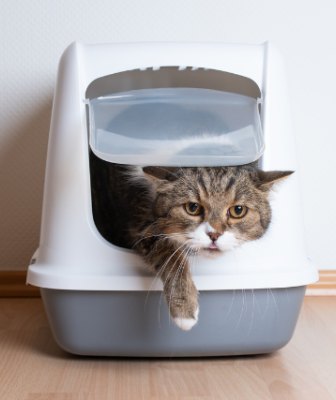
Vomiting or diarrhea in cats is more than just a mess—it’s often a sign of an underlying health issue that requires attention. At The Hometown Veterinarian, our team is here to quickly diagnose the cause of your cat’s digestive distress and provide effective treatment to restore their health and comfort. This level of personalized care is part of The Hometown Veterinarian Difference.
What Causes Vomiting or Diarrhea in Cats?
Digestive problems in cats can result from a variety of factors, including diet, infections, and underlying health conditions. Common causes of vomiting or diarrhea include:
Dietary Changes or Indiscretions
A sudden change in food or consuming something they shouldn’t can upset your cat’s stomach.
Hairballs
Accumulated fur in the stomach can lead to vomiting, especially in long-haired cats.
Infections
Bacterial, viral, or parasitic infections can irritate the digestive tract and cause diarrhea or vomiting.
Food Allergies or Intolerances
Certain ingredients may trigger digestive issues in sensitive cats.
Toxins or Foreign Objects
Ingesting toxic substances or foreign objects can cause severe vomiting or diarrhea.
Chronic Conditions
Diseases such as inflammatory bowel disease, kidney disease, liver disease, or hyperthyroidism can affect your cat’s digestion.
Stress or Anxiety
Environmental changes, new pets, or other stressors may result in gastrointestinal upset.
When to Seek Veterinary Care
While occasional vomiting or diarrhea may not be alarming, persistent or severe symptoms should never be ignored. Contact us if your cat is experiencing:
- Vomiting or diarrhea lasting more than 24 hours
- Blood in vomit or stool
- Lethargy, weakness, or loss of appetite
- Weight loss or dehydration
- Frequent or projectile vomiting
- Behavioral changes or signs of pain
How We Diagnose Vomiting or Diarrhea in Cats
At The Hometown Veterinarian, we use advanced diagnostics to identify the root cause of your cat’s symptoms. This may include:
Comprehensive Physical Examination
A thorough head-to-tail check-up to detect signs of illness, pain, or dehydration.
Laboratory Testing
Bloodwork, urinalysis, and fecal exams to check for infections, organ function, and parasites.
Imaging
Digital X-rays or ultrasound to identify blockages, foreign objects, or abnormalities in the digestive system.
Treating Vomiting or Diarrhea in Cats
Once we determine the cause of your cat’s digestive issues, we create a customized treatment plan to address their specific needs. Treatment options may include:
Medications
Anti-nausea medications, anti-diarrheal agents, or antibiotics to address the root cause.
Fluid Therapy
To rehydrate and restore electrolyte balance in dehydrated cats.
Nutritional Support
Special diets designed to soothe the digestive system and provide essential nutrients.
Surgery
If foreign objects or blockages are detected, surgical intervention may be necessary.
Parasite Treatment
Medications to eliminate intestinal parasites if identified as the cause.
Supporting Your Cat’s Recovery
Recovery from vomiting or diarrhea often involves careful monitoring and follow-up care to ensure your cat’s health is fully restored. Our compassionate team will guide you through every step, adjusting treatment as needed and answering any questions you may have.
Schedule an Appointment Today
If your cat is vomiting or experiencing diarrhea, don’t wait to seek care. Early diagnosis and treatment can prevent further complications and help your cat feel better faster. Contact The Hometown Veterinarian to schedule an appointment today.
To book an appointment, give us a call or click below.